Mark Dekker
Sound Therapist
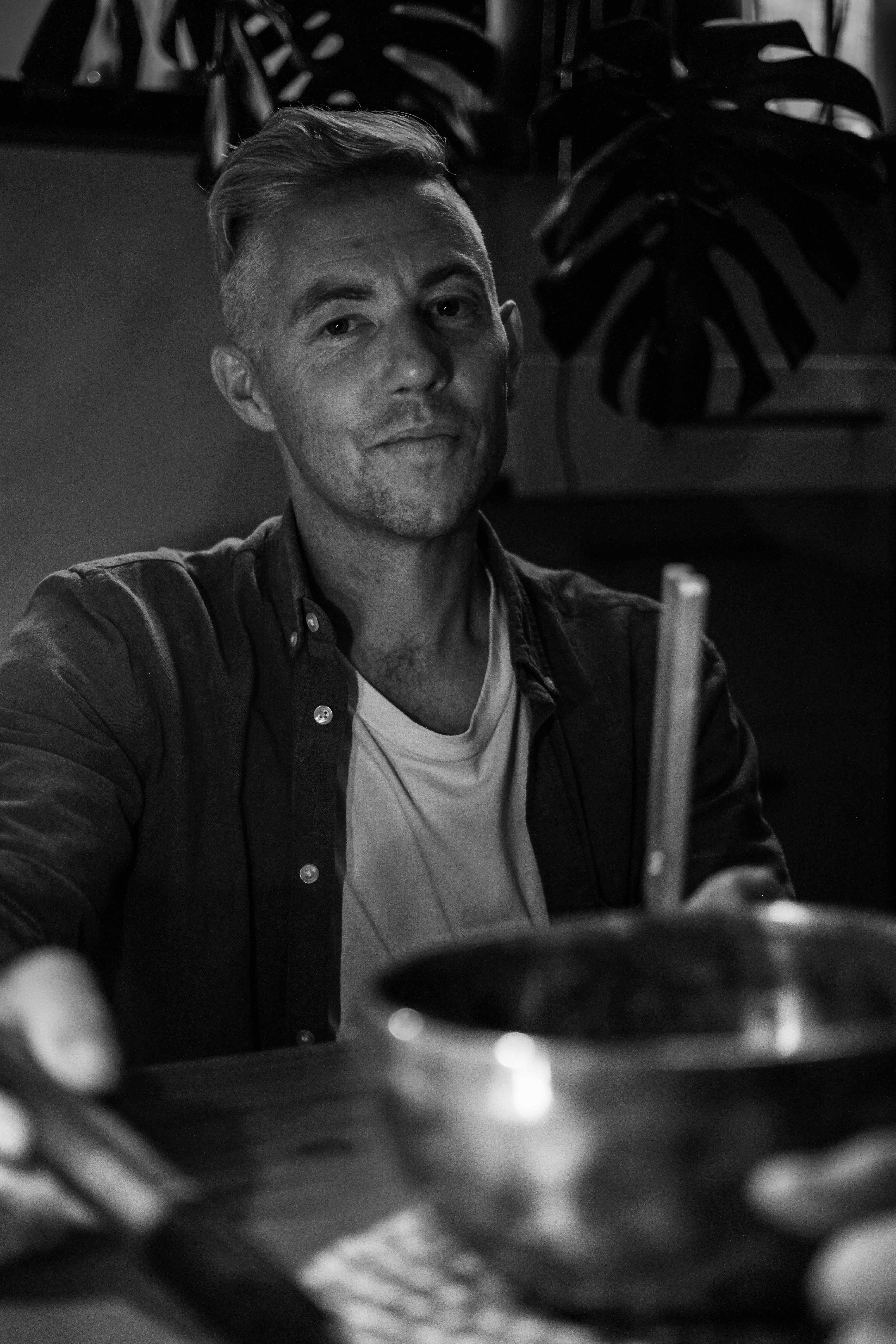
I came to sound work through a personal need — searching for something that could reach places talking couldn't. What I found was a practice that changed my relationship with stillness, with rest, and with how I show up for others.
Before this, I worked in events and digital systems. Logistics, coordination, the practical architecture of bringing people together. That skill set didn't disappear — it just found a new home. Now I blend both: the sound work itself, and the ability to organise and hold the space around it.
How I work
Sound therapy, as I practice it, is not about fixing. It's about creating conditions — for the nervous system to settle, for something held to release, for stillness to have its effect.
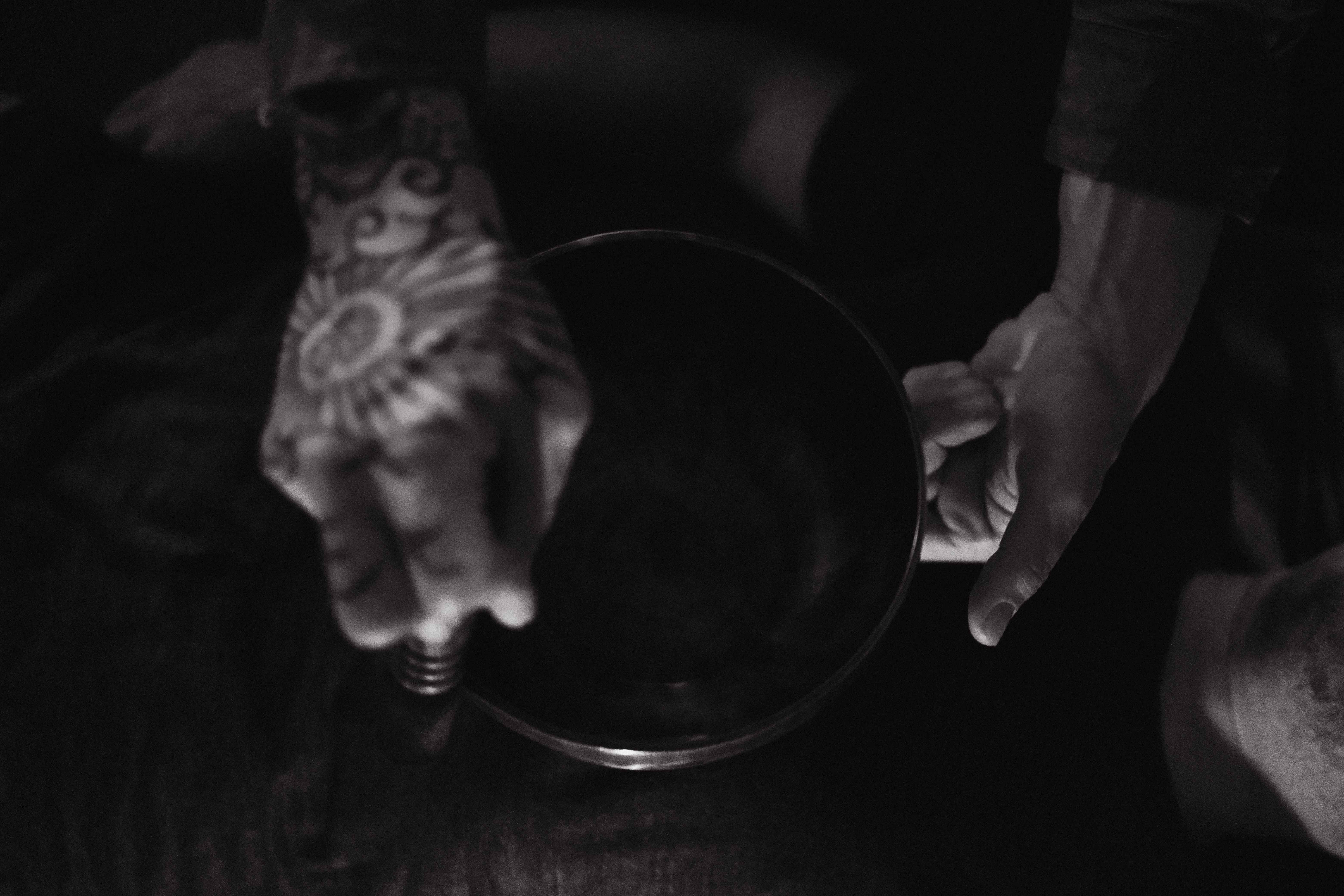
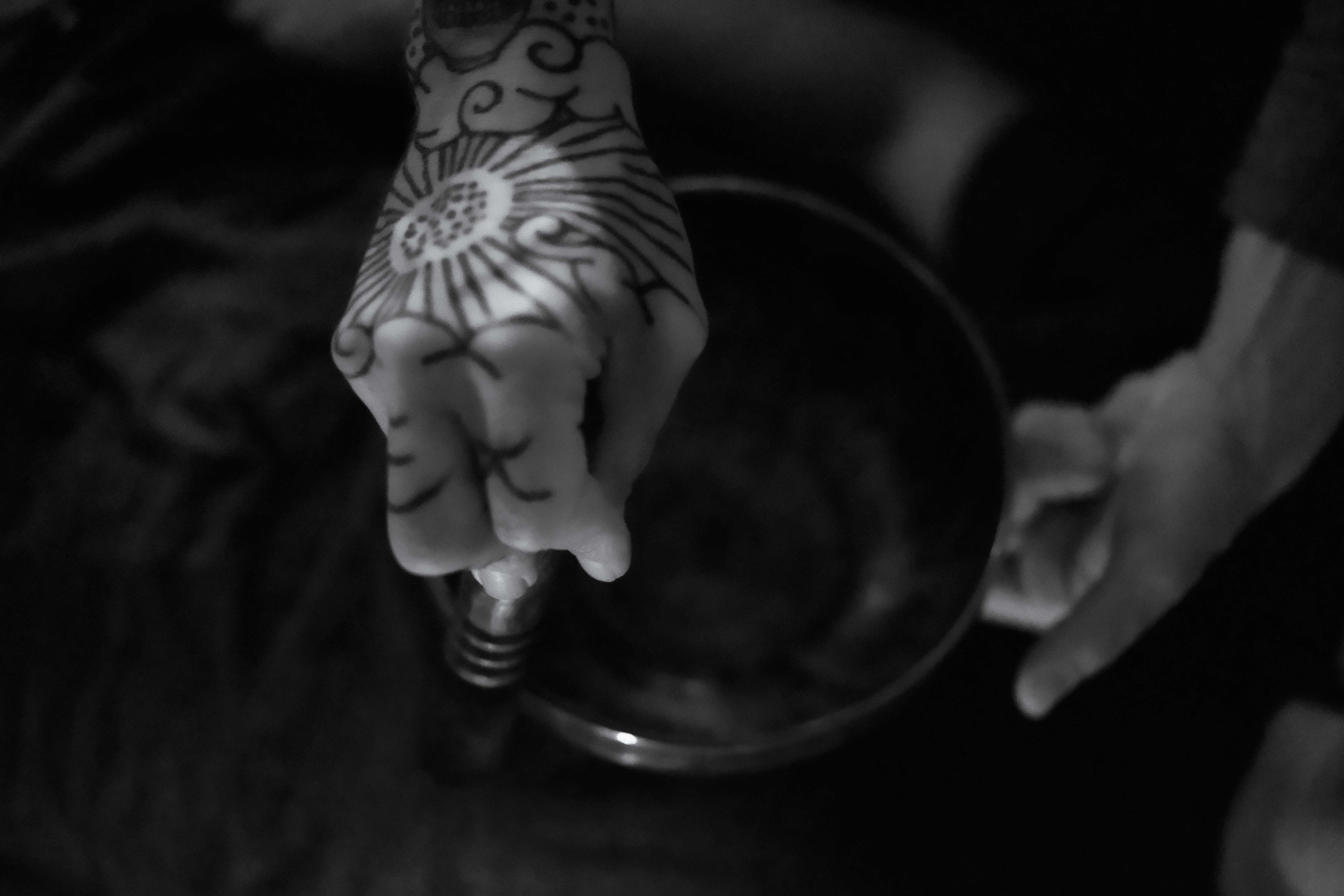
I work with singing bowls, tuning forks, voice, and other acoustic instruments. Each has its own character, its own way of meeting the body. I choose what to use based on what I sense in the room, in the person, in the moment.
Presence is the practice. I'm not following a script or running through a sequence. I'm listening — to the sound, to the silence, to what wants to happen next.
What I work with
Singing Bowls
Tibetan and crystal singing bowls of various sizes and tones. Played around the body or placed directly on it. The vibration is felt as much as heard.
Tuning Forks
Precision-tuned forks used for targeted work — on specific points of the body, near the ears, or moving through the energy field.
Voice & Chimes
For sound baths and journeys — instruments that fill the space and create immersive, layered soundscapes.
Voice & Silence
Sometimes the most important instrument is the pause. I work with silence as much as sound.
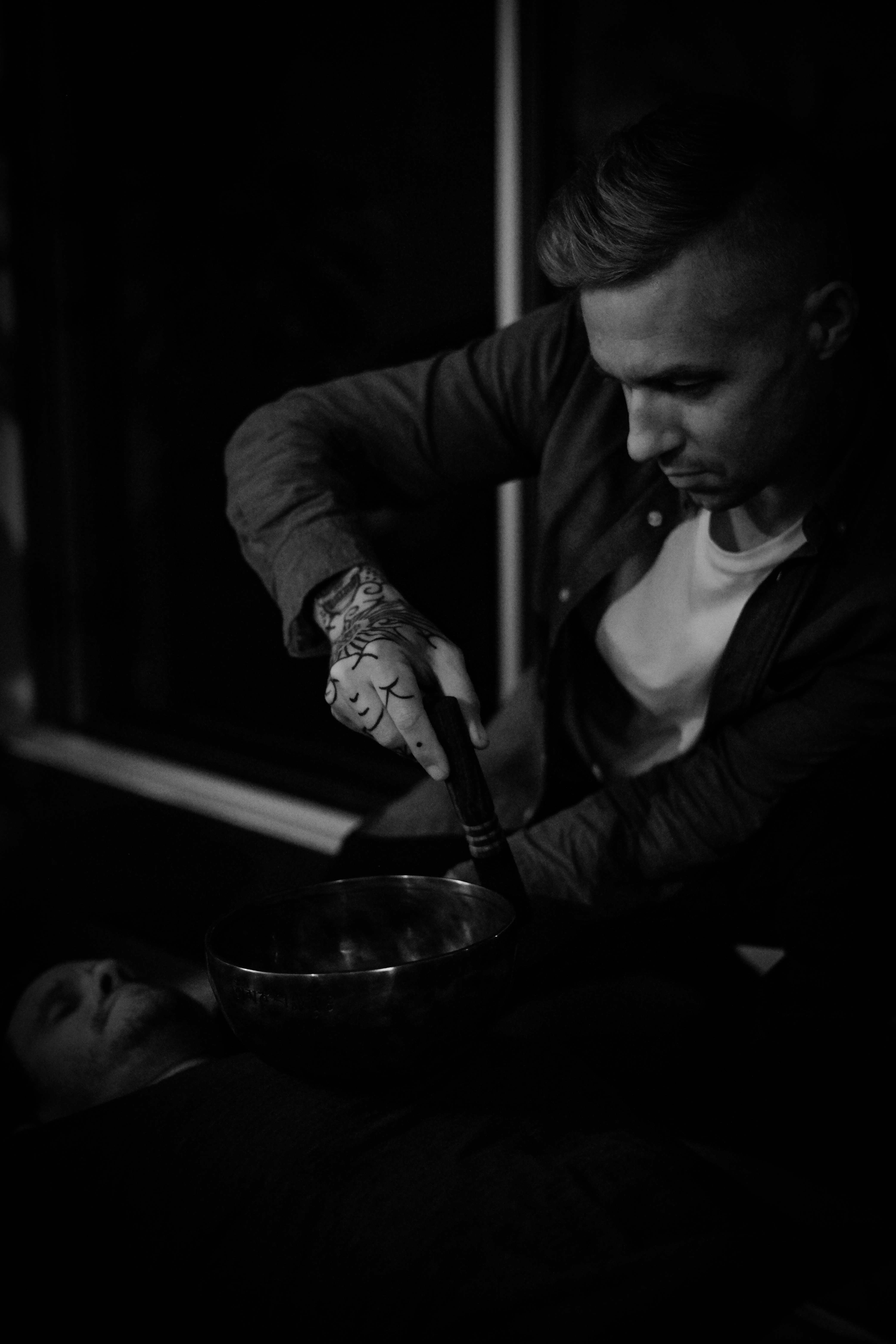
"I'm not a healer more than anyone else is. I think of myself as someone who creates the conditions for the body to remember what it already knows."
Training & experience
My training in sound therapy has been a blend of formal study and direct mentorship — learning from practitioners whose work I respect, and hours of practice finding my own way with the instruments.
Before sound work, I spent years in events, facilitation, and digital systems. That background shapes how I approach this work: grounded, practical, attentive to the container as much as the content.
I continue to learn — from the people I work with, from silence, from the instruments themselves. This is a practice, not a destination.
Want to work together?
Whether you're curious about a session or just want to know more — I'd be glad to hear from you.